
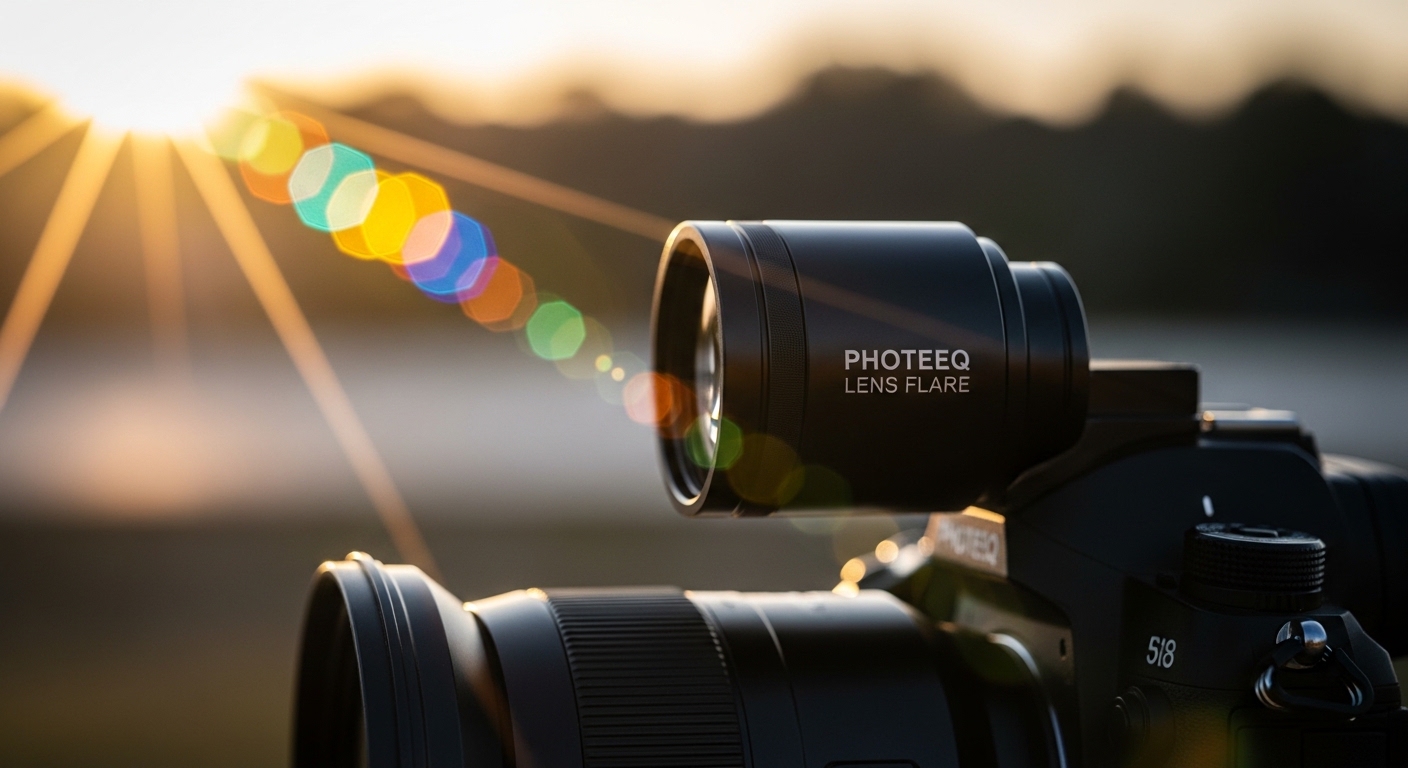

In the world of digital photography and visual design, the way light interacts with a lens can dramatically transform an image. One creative effect that has gained attention among photographers and editors alike is the photeeq lens flare. This visual phenomenon adds depth, warmth, and dynamic interest to photographs, making them more captivating and expressive. Whether used subtly to suggest sunlight or applied more boldly to heighten drama, photeeq lens flare has become a sought‑after tool for elevating visual storytelling. In this article, we explore the artistic underpinnings, technical considerations, and creative applications of photeeq lens flare so that you can make informed choices in your work and bring your images to life with confidence.
Understanding the Concept of Photeeq Lens Flare
Photeeq lens flare refers to the intentional inclusion of light artifacts created when a bright light source reflects within a camera lens. While traditional lens flare has sometimes been seen as an imperfection, modern photography embraces this effect intentionally for its artistic impact. Photeeq lens flare differs from random flare in that it is applied or enhanced with creative purpose, often using editing tools or specific shooting techniques. The presence of flare can create a sense of realism and atmosphere, evoking feelings associated with natural light, warmth, and energy. Many photographers integrate photeeq lens flare into outdoor scenes, portraits, and cinematic compositions to add character to the visual narrative. Understanding how light interacts with your lens and sensor helps you harness photeeq lens flare effectively without overwhelming your subject or distracting from the main composition.
Technical Considerations When Using Lens Flare
Successfully integrating photeeq lens flare requires a grasp of how it behaves technically within a photograph. Light source position, lens quality, aperture settings, and sensor characteristics all influence the appearance of flare. Shooting directly into the sun or a strong artificial light often produces more prominent flare, while diffused light sources result in a softer effect. Photographers who aim to use photeeq lens flare intentionally balance these technical elements to control the intensity and color of the flare. Understanding the interplay between light and lens coatings can also help minimize unwanted flare or, conversely, enhance it creatively. Modern editing software also offers tools to simulate or refine photeeq lens flare digitally, allowing for precise control over placement and intensity. By mastering both the technical and artistic sides of lens flare, creators can enhance their visual work without compromising clarity or purpose.
Creative Uses of Photeeq Lens Flare in Photography
Photeeq lens flare has become a creative asset for photographers aiming to shape mood and atmosphere. In landscape photography, flare can suggest the warmth of sunrise or sunset, adding a natural glow that enhances the scene’s emotional resonance. Portrait photographers may use subtle flare to introduce a dreamy quality or to highlight contours and textures in a scene. In cinematic photography, intentional flare helps create depth, draw attention to focal points, or evoke a specific aesthetic that aligns with storytelling goals. Creative use of photeeq lens flare also extends to conceptual and fashion photography, where flare becomes part of the visual identity of an image. By thoughtfully integrating flare into compositions, photographers can harness light not just as an illuminator but as a narrative device that amplifies the viewer’s engagement with the photograph.
Editing and Enhancing Lens Flare Effects
While in‑camera techniques can produce striking photeeq lens flare, post‑processing tools offer additional flexibility and finesse. Many editors use software to refine the appearance of lens flare, adjusting colors, shapes, and intensity to better suit their vision. Digital enhancement allows photographers to simulate flare even when shooting conditions did not naturally produce it. This is particularly useful when aiming for consistency across a visual series or when natural lighting is limited. Editing tools also help artists control how flare interacts with specific areas of an image, ensuring that the effect complements rather than distracts from the subject. Whether applied subtly or boldly, the ability to refine photeeq lens flare in post‑production expands creative possibilities while maintaining professional polish.
Balancing Lens Flare with Composition
Adding photeeq lens flare to a photograph should always be balanced with careful consideration of overall composition. Lens flare, when overused, can draw attention away from the central subject or disrupt visual harmony. Skilled photographers make intentional choices about where flare appears and how it interacts with other elements like subject placement, background features, and depth of field. Effective balance means using flare to enhance rather than dominate a scene, guiding viewers’ eyes in a way that supports the photograph’s intention. Thoughtful placement of light and strategic adjustments to exposure settings help achieve this balance. By treating photeeq lens as a compositional element rather than an afterthought, creators can elevate their work in ways that feel both artistic and purposeful.
Trends and Future of Lens Flare in Visual Media
As visual media continues to evolve, trends in photography and video production reflect a growing appreciation for expressive light effects like photeeq lens. Filmmakers and digital artists increasingly incorporate artistic flare to enhance visual tone and emotional impact. With advancements in camera technology and editing tools, the ability to create and refine flare has become more accessible to creators at all levels. This ongoing trend suggests that lens flare will remain a valuable expressive tool in the visual storyteller’s toolkit. Photographers and designers who embrace photeeq lens thoughtfully will find it contributes to more dynamic and memorable work across genres, from commercial projects to personal portfolios.
Conclusion
Photeeq lens offers a compelling way to enrich visual compositions with natural‑feeling light and atmosphere. By understanding both its technical foundations and creative potential, photographers can leverage this effect to enhance mood, depth, and storytelling. Whether captured in camera or refined in post‑production, intentional lens flare elevates visual work and creates engaging images that resonate with viewers. Mastering this effect can transform ordinary scenes into evocative photographs with lasting appeal.