
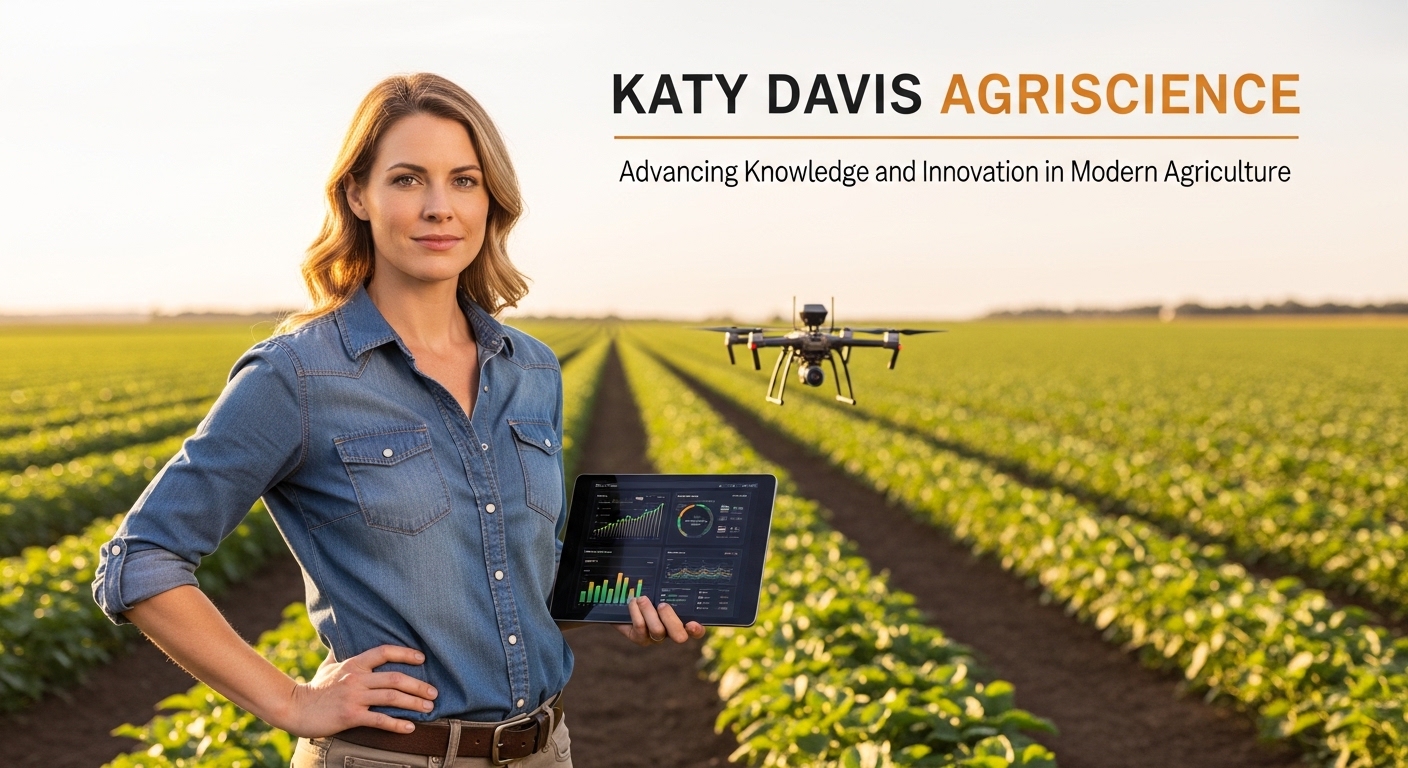

Agriculture continues to evolve as science, technology, and sustainability become central to food production worldwide. The term katy davis agriscience is increasingly associated with thoughtful approaches to agricultural education, research, and practical application. Agriscience as a field connects biology, environmental studies, and technology to improve farming systems and resource management. Interest in katy davis agriscience reflects a broader focus on developing solutions that support productivity while respecting environmental balance. The concept from an educational and professional perspective, highlighting its relevance, values, and role in shaping modern agriculture. By understanding how agriscience contributes to global food systems, readers can better appreciate its importance in addressing current and future agricultural challenges.
Understanding the Focus of Katy Davis Agriscience
Katy davis agriscience represents a focus on applying scientific principles to agricultural practices in a practical and responsible way. Agriscience combines research-based knowledge with real-world farming needs, creating a bridge between theory and application. This approach supports informed decision-making in areas such as crop management, soil health, and resource efficiency. By emphasizing evidence-based practices, agriscience encourages continuous learning and adaptation. The concept behind katy davis agriscience aligns with the growing demand for professionals who understand both science and agriculture. This integrated focus helps improve outcomes for farmers, communities, and ecosystems while supporting long-term agricultural resilience.
The Role of Education in Agriscience Development
Education plays a central role in the growth of katy davis agriscience as a meaningful discipline. Agriscience education equips learners with foundational knowledge in biology, chemistry, and environmental systems while connecting these subjects to agricultural applications. Through structured learning, individuals develop problem-solving skills relevant to modern farming challenges. Educational pathways in agriscience also encourage critical thinking and innovation. Katy davis agriscience reflects the value of accessible and practical education that prepares students for diverse roles in agriculture-related fields. Strong educational foundations help build a workforce capable of adapting to technological advances and changing environmental conditions, ensuring continued progress within the agricultural sector.
Innovation and Sustainable Agricultural Practices
Innovation is a key element associated with katy davis agriscience, particularly in the context of sustainability. Modern agriculture must balance productivity with environmental responsibility, and agriscience provides tools to achieve this balance. Scientific research supports improved methods for soil conservation, water management, and efficient use of inputs. Katy davis agriscience emphasizes the importance of developing practices that reduce waste and protect natural resources. Innovation in this field often focuses on long-term solutions rather than short-term gains. By promoting sustainable approaches, agriscience contributes to food security while minimizing environmental impact. This forward-looking mindset is essential for agriculture in a changing global climate.
Career Pathways and Professional Impact
Katy davis agriscience also highlights the wide range of career opportunities within the agricultural sector. Agriscience professionals may work in research, education, production management, or advisory roles. These careers require a combination of scientific understanding and practical experience. The professional impact of agriscience extends beyond farms, influencing policy, education, and community development. By supporting informed agricultural practices, professionals contribute to economic stability and food system resilience. Katy davis agriscience reflects how specialized knowledge can create meaningful impact across different levels of the agricultural industry, offering rewarding pathways for individuals committed to science-driven solutions.
The Future Outlook of Agriscience
The future of katy davis agriscience is closely tied to global trends such as population growth, climate change, and technological advancement. Agriscience will continue to play a vital role in developing adaptive strategies that support sustainable food production. Emerging technologies and data-driven methods are expected to enhance research and field application. Katy agriscience represents a commitment to ongoing learning and improvement within the agricultural sector. As challenges become more complex, the need for scientifically informed agricultural practices will grow. This outlook positions agriscience as a critical component of future food systems and environmental stewardship.
Conclusion
katy agriscience reflects the growing importance of science-based approaches in modern agriculture. Through education, innovation, sustainability, and professional development, agriscience supports resilient and responsible food production. By understanding its role and potential, readers can appreciate how agriscience contributes to global agricultural progress and long-term environmental balance.