
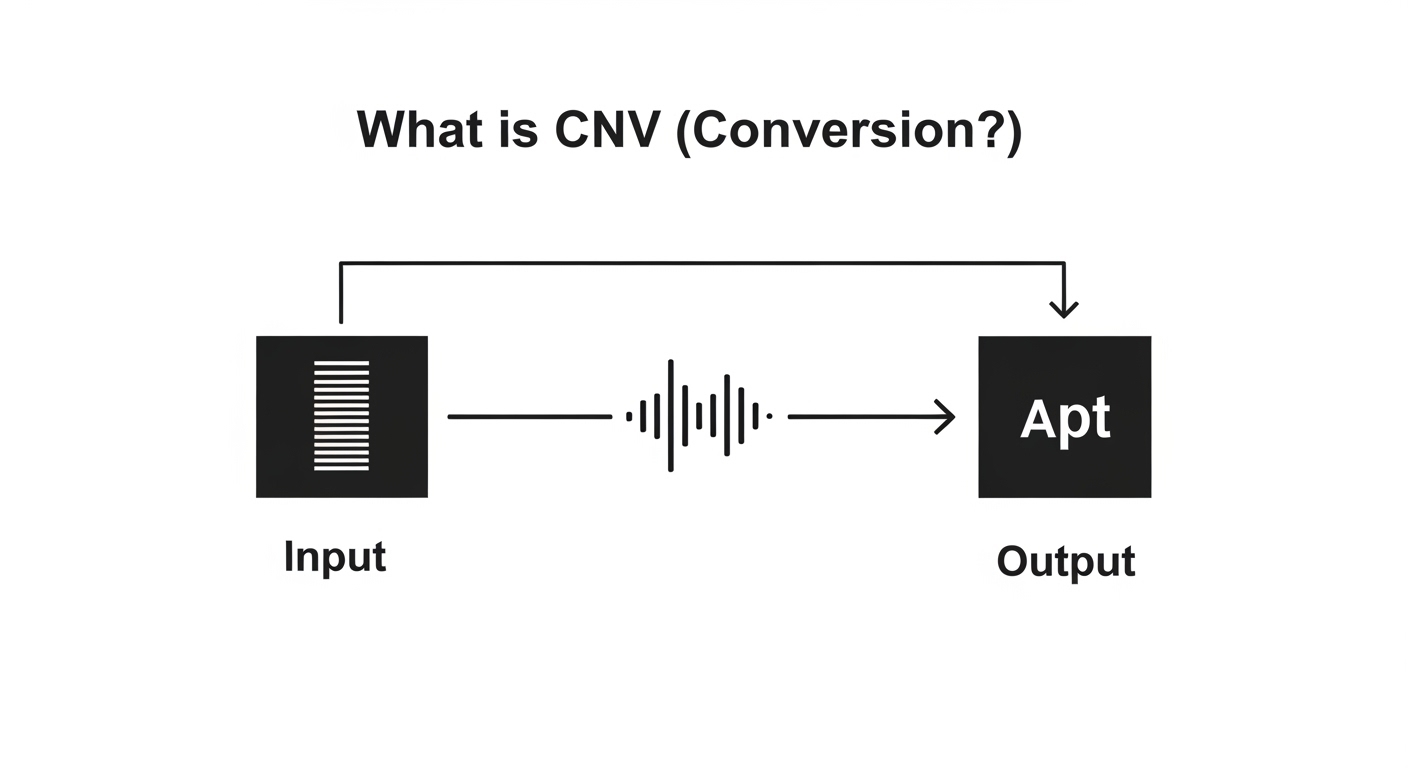

CNV MP3 is a commonly searched term by users looking to convert audio or video files into the widely supported MP3 format. As digital media continues to dominate communication, entertainment, and education, the need for flexible and compatible audio files has grown significantly. MP3 remains one of the most popular audio formats due to its balance between sound quality and file size. Understanding what cnv mp3 means and how audio conversion fits into everyday digital use helps users manage their media more efficiently. The concept of cnv mp3, its purpose, benefits, and relevance in modern digital environments.
What CNV MP3 Means in Digital Audio
CNV MP3 generally refers to the process of converting audio from one format into MP3. The term cnv is often used as a shorthand for conversion, especially in online tools and software interfaces. Audio files come in many formats, each designed for specific uses such as recording, editing, or streaming. MP3 is favored because it compresses audio data while maintaining acceptable sound quality for most listeners. When users search for cnv mp3, they are typically looking for ways to make audio files easier to store, share, or play across multiple devices. Understanding this basic meaning helps clarify why the term is widely used in digital audio discussions.
Why MP3 Remains a Popular Audio Format
Despite the emergence of newer audio formats, MP3 continues to be a global standard. Its popularity is driven by universal compatibility with smartphones, computers, car audio systems, and media players. MP3 files are small enough to save storage space while still delivering clear sound for music, podcasts, and voice recordings. This balance makes MP3 ideal for everyday use. CNV MP3 processes support this demand by allowing users to adapt their audio files to a format that works almost everywhere. The long-standing presence of MP3 in the digital world has created a strong ecosystem of software and devices that rely on it, reinforcing its continued relevance.
Common Uses of CNV MP3 Conversion
CNV MP3 conversion is widely used across different personal and professional scenarios. Users often convert audio for music libraries, educational materials, or recorded meetings. Video creators may extract audio tracks and convert them into MP3 for distribution or reuse. Language learners and content creators also rely on MP3 files for portability and easy playback. The flexibility of MP3 allows audio to be shared through email, messaging apps, or cloud storage without compatibility issues. CNV MP3 conversion supports these needs by simplifying how audio content is managed and reused. This versatility explains why conversion tools and services remain in high demand.
Quality Considerations During MP3 Conversion
When performing a cnv mp3 conversion, audio quality is an important factor to consider. MP3 uses lossy compression, which means some audio data is removed to reduce file size. The level of compression affects sound clarity, especially for music with complex details. Choosing appropriate settings during conversion helps maintain a balance between quality and file size. Higher bitrates preserve more detail but result in larger files, while lower bitrates save space but may reduce clarity. Understanding these trade-offs allows users to make informed decisions based on their needs. CNV MP3 processes are most effective when users select settings that match their listening environment and purpose.
CNV MP3 in Modern Digital Workflows
In modern digital workflows, cnv mp3 plays a supporting role in content creation and distribution. Professionals working with multimedia often need consistent audio formats to ensure smooth collaboration and publishing. MP3 files integrate easily into presentations, websites, and mobile applications. This ease of use makes MP3 a practical choice for both casual users and professionals. CNV MP3 conversion helps standardize audio assets, reducing technical barriers and saving time. As digital communication continues to evolve, the ability to convert and adapt audio formats remains a valuable skill in managing content efficiently.
Conclusion
Cnv mp3 represents an essential process in today’s digital audio landscape. By enabling audio conversion into a widely accepted format, it supports accessibility, compatibility, and efficient media management. Understanding how and why MP3 conversion is used allows users to make better choices with their digital content and adapt to diverse listening needs.